Shifts in Wagering Patterns During Global Athletic Events
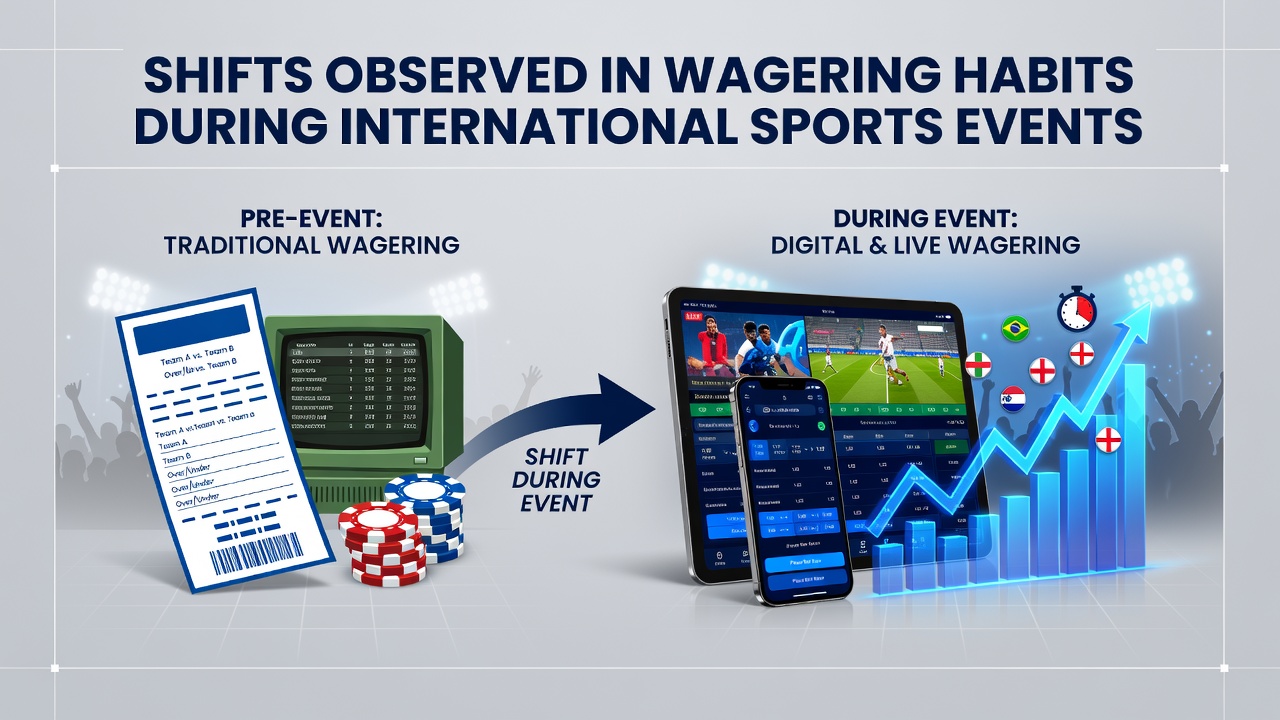
International sports competitions have long drawn attention from those who place wagers, yet the nature of that activity continues to evolve in measurable ways, and observers note clear alterations in timing, device preference, and market selection when events like the FIFA World Cup or Olympic Games approach.
Timing and Volume Adjustments
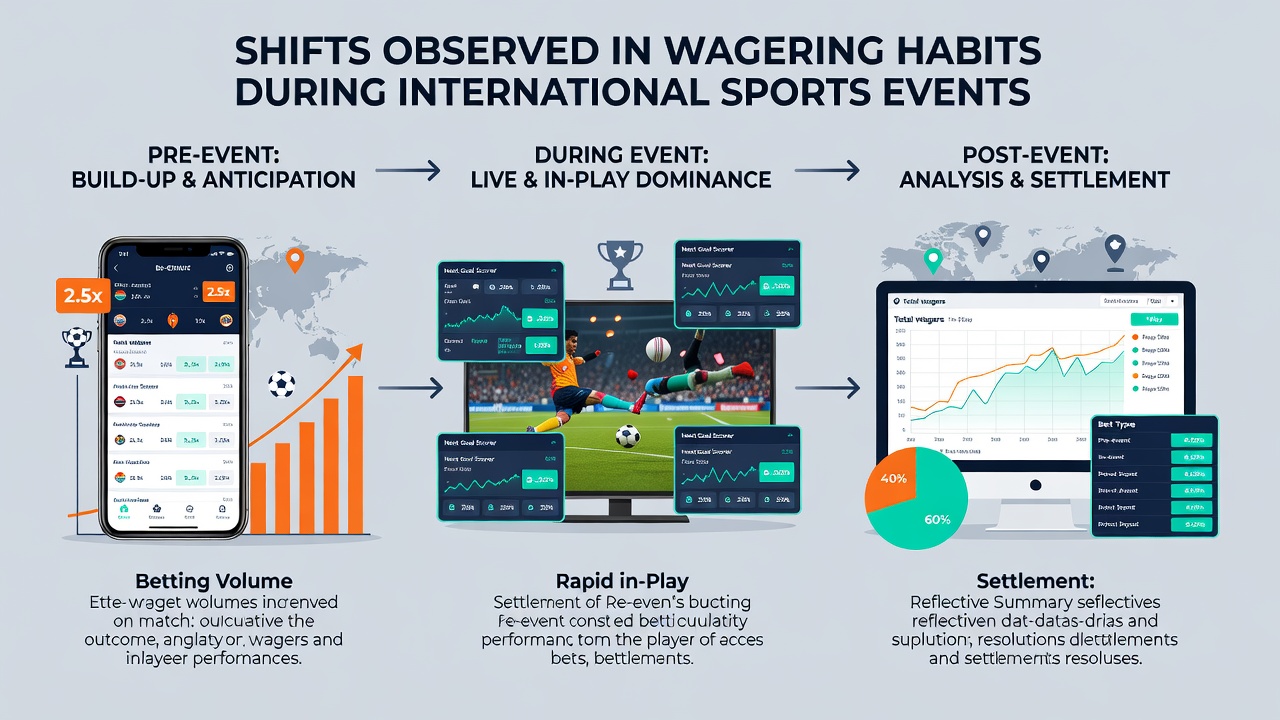
Betting activity tends to cluster in the weeks leading up to opening matches rather than spreading evenly across a season, while in-game wagering rises sharply once play begins, and data collected across several tournaments shows live-bet percentages climbing from roughly twenty-eight percent in regular domestic leagues to over forty-five percent during knockout stages of global events.
Those who track transaction logs point out that average stake sizes often dip slightly during these periods even as total handle grows, which suggests a broader participant base entering the market for shorter durations, and this pattern repeated across North American and European operators during the 2022 World Cup cycle.
Device and Platform Preferences
Mobile applications capture an increasing share of activity once an international tournament starts, because fans want updates between matches and quick placement options during breaks, whereas desktop usage remains steadier for pre-event research and accumulator building, and figures released by several major platforms confirm mobile traffic surpassing seventy percent of sessions during the 2024 European Championship.
Push notifications and integrated live streams further encourage shorter, repeated sessions rather than longer single visits, and researchers examining session data found that the average duration per mobile bet decreased while the number of bets per user increased modestly.
Market Selection Changes
Traditional moneyline and spread bets still dominate overall volume, yet proposition markets tied directly to tournament narratives gain traction, including player performance milestones and exact score combinations, while prop-bet share grew from eighteen percent to twenty-seven percent of total wagers in monitored accounts during recent World Cup matches.
Regional tastes also surface more distinctly, with Asian operators reporting heavier interest in Asian handicap lines and European platforms noting stronger demand for both teams to score options, and these preferences align with cultural viewing habits rather than operator promotion alone.
Regulatory and Integrity Considerations
Governing bodies in multiple jurisdictions have adjusted monitoring protocols ahead of large events because spikes in activity can mask irregular patterns, and the American Gaming Association has published guidelines encouraging operators to flag unusual volume surges in specific player props during group stages.
Cross-border payment flows also receive extra scrutiny when tournaments span several time zones, since currency conversions and differing tax treatments can complicate reconciliation, yet most regulated markets report that the majority of activity remains within established compliance frameworks.
Looking Ahead to June 2026
The co-hosted FIFA World Cup scheduled across Canada, Mexico, and the United States in June 2026 is expected to test current systems at scale because three host nations bring distinct regulatory environments into one competition window, and early planning documents indicate operators are already preparing region-specific market offerings to accommodate local preferences without fragmenting user experiences.
Time zone differences across the host countries may further encourage staggered betting windows, potentially increasing overnight activity in certain markets while others see midday surges, and analysts anticipate that integrated tournament passes combining multiple matches could become more common as a result.
Conclusion
Patterns observed during previous global events demonstrate that volume, timing, device choice, and market selection all respond to the rhythm of international competitions in consistent yet region-specific ways, and preparation for the 2026 tournament will likely build on those documented shifts rather than starting from a blank slate.