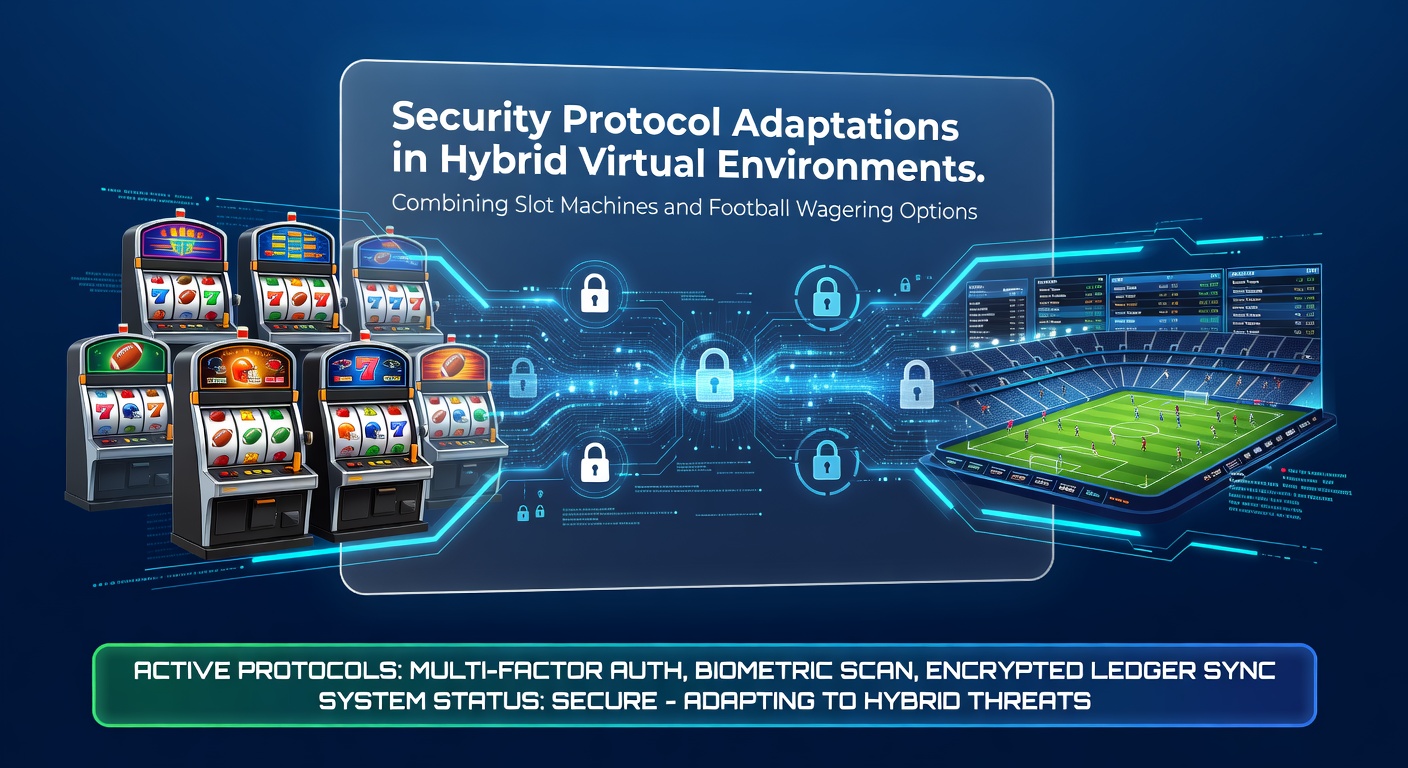
 Hybrid virtual environments that merge slot machines with football wagering create layered data streams where real-time betting odds interact with random number generators and user account systems, and this integration demands security protocols that address both static game mechanics and dynamic event-based transactions simultaneously. Observers note that operators must handle encrypted payment routes alongside live odds feeds, which often update every few seconds during matches, and these dual demands push developers toward modular encryption frameworks rather than single-layer solutions.
Core Challenges in Data Flow Management
Slot machine sessions generate continuous sequences of spin outcomes that require immediate verification against tampering attempts, while football wagering platforms process variable inputs such as team lineups and live score changes that alter bet values on the fly. Researchers at institutions studying digital gaming infrastructure have documented how these parallel processes create potential entry points when session tokens cross between the two modules. Data shows that synchronization points between the random outcome servers and the odds calculation engines represent areas where authentication checks must occur without introducing latency that could affect user experience during peak match times.
Regulatory bodies in multiple regions track these interactions closely. The Nevada Gaming Control Board maintains records of compliance audits that highlight the need for isolated API gateways between slot engines and sports modules, and similar approaches appear in oversight reports from the Australian Communications and Media Authority. These frameworks emphasize segmentation of sensitive financial data from entertainment content streams, which reduces the blast radius if one component encounters unauthorized access attempts.
Protocol Adaptations Currently Deployed
Multi-factor authentication now extends beyond login stages into in-session verification for high-value football bets, where additional biometric checks or device fingerprinting trigger when wager amounts cross certain thresholds. Encryption standards have shifted toward quantum-resistant algorithms in some platforms because long-term storage of historical slot and betting records could face future decryption risks. Session management tools incorporate time-bound tokens that expire faster during live football events, which limits exposure windows compared with standard slot-only environments.
What's interesting is how anomaly detection systems have adapted to recognize patterns unique to hybrid use. A user switching rapidly between slot spins and football accumulator builds might trigger different monitoring rules than someone focused on one activity, and these behavioral baselines draw from aggregated logs rather than individual profiles to maintain privacy standards. Industry reports indicate that such adaptive monitoring reduces false positives while still flagging coordinated attacks that attempt to manipulate both game types at once.
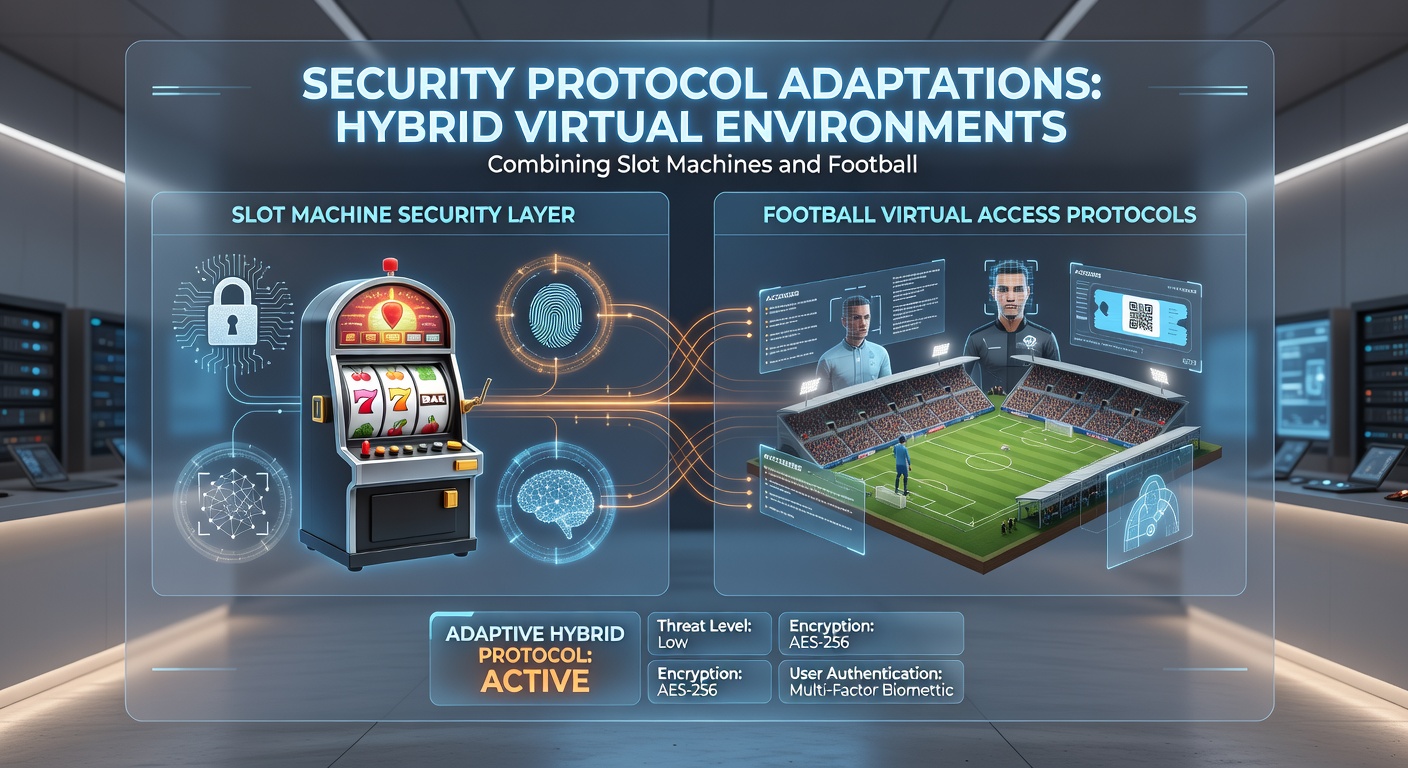
Implementation Examples Across Jurisdictions
One European operator integrated hardware security modules directly into its hybrid backend after audits revealed gaps in key management between its slot and live betting divisions. The upgrade allowed real-time rotation of encryption keys without interrupting ongoing football matches or slot tournaments. In North American markets, several platforms adopted zero-trust architectures following guidance from state-level gaming commissions, where every request between the slot database and the football odds service undergoes fresh validation regardless of prior session status.
Academic papers from university research groups have examined how these changes affect transaction speeds. Findings reveal that properly tuned hybrid protocols maintain sub-second response times for slot results and football bet placements, provided the segmentation rules avoid unnecessary cross-checks during low-risk actions. Observers point to continued testing cycles that simulate coordinated attacks across both game types to verify resilience before full deployment.
Developments Expected by Mid-2026
As platforms prepare for expanded hybrid offerings, standards organizations are drafting updated guidelines that address AI-assisted threat detection across combined slot and sports environments. By May 2026, several jurisdictions plan to require annual penetration testing specifically scoped to hybrid architectures rather than treating slots and football wagering as separate systems. These tests focus on data leakage between modules and the integrity of live odds feeds when they interact with persistent slot player accounts.
Conclusion
Security protocol adaptations in these blended environments continue to evolve through iterative testing and regulatory feedback, with emphasis on modular design that isolates slot mechanics from football wagering components while still allowing seamless user movement between them. Evidence from compliance records and technical studies shows measurable progress in reducing attack surfaces without compromising operational speed. Those who manage these systems focus on maintaining clear separation of data pathways, which supports both current functionality and future scalability as new game types integrate into the same virtual spaces.