Payment Evolutions Reshaping Experiences Across Multi-Game Online Wagering Hubs
Written by Alex Griffin · Aug 25, 2026
Payment Evolutions Reshaping Experiences Across Multi-Game Online Wagering Hubs
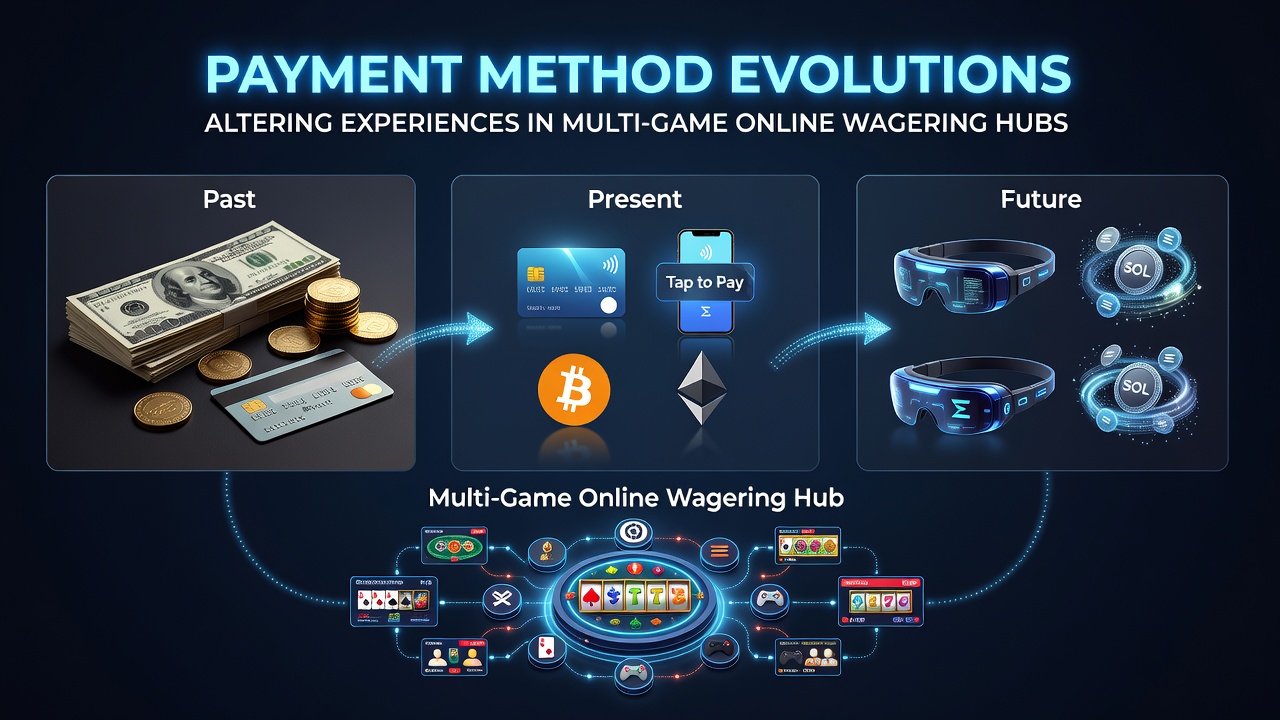
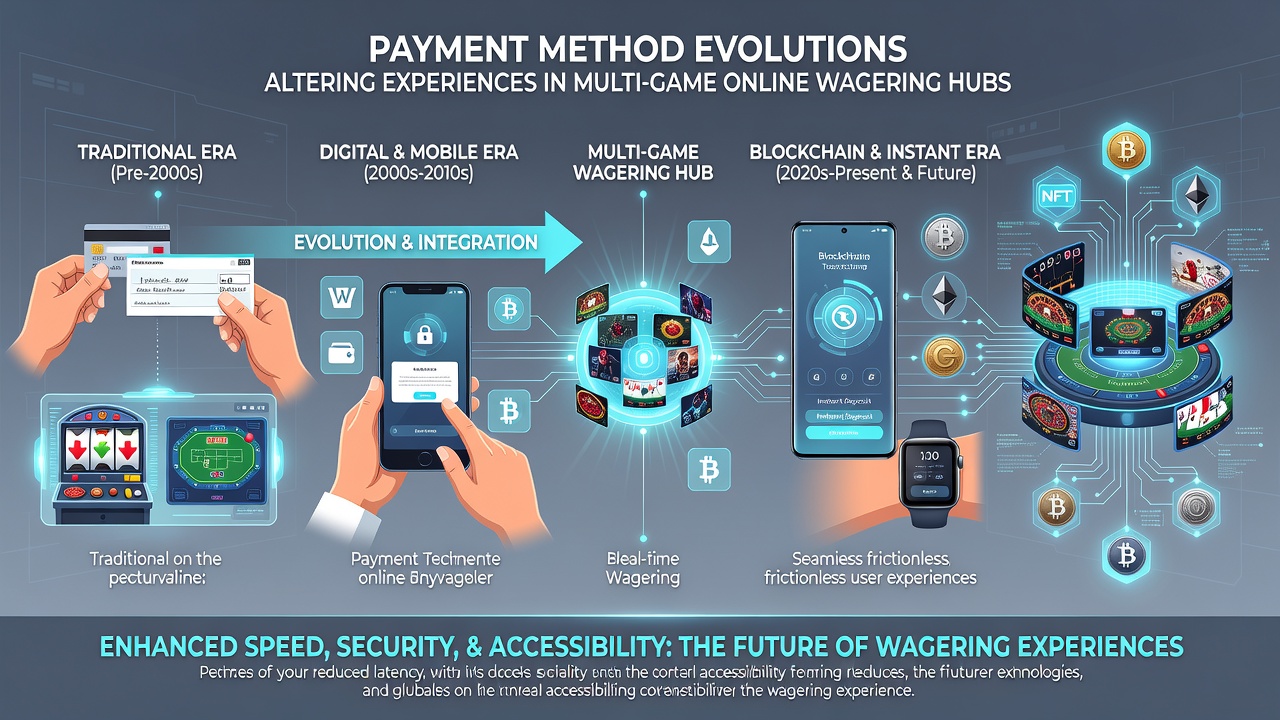
Payment systems in multi-game online wagering hubs have shifted from traditional credit card processing and bank wires toward instant digital options that integrate cryptocurrencies, e-wallets, and real-time bank transfers, and these changes have altered how users deposit funds, withdraw winnings, and move between slots, table games, and sports betting sections on single platforms. Observers note that faster transaction times reduce friction during gameplay sessions, while enhanced security protocols help platforms comply with regional regulations that vary by jurisdiction.
Data from industry reports indicates that adoption of blockchain-based payments grew steadily through 2025, and by August 2026 many hubs began offering stablecoin options alongside traditional currencies to accommodate players in markets where local banking restrictions limit card usage. Researchers at academic institutions studying digital finance have documented how these tools allow seamless cross-border transactions without the delays once common in wire transfers, which often took several business days to clear.
Key Shifts in Transaction Speed and Accessibility
Multi-game hubs now route deposits through APIs that connect directly to payment providers, and this integration lets users fund accounts in seconds rather than minutes, which matters when switching from a roulette table to a live sports wager. Figures from the European Gaming and Betting Association reveal that platforms supporting instant e-wallet options saw higher session completion rates compared with those relying solely on older card gateways.
Accessibility expanded when providers added support for local payment rails in regions across Asia and Latin America, and operators responded by embedding these methods into unified wallets that track balances across game categories. Those who manage these systems report fewer abandoned carts during checkout because players encounter fewer currency conversion steps or verification hurdles.
Security Enhancements and Regulatory Alignment
Encryption standards evolved alongside payment methods, and two-factor authentication combined with biometric checks now guards most major hubs against unauthorized access. Regulatory bodies such as the Malta Gaming Authority require regular audits of payment processors, which has pushed platforms to adopt tokenization that replaces sensitive card data with unique identifiers stored on secure servers.
Studies published in financial technology journals show that hubs incorporating these layered protections experienced measurable drops in fraud attempts, while players gained clearer audit trails for every transaction. Compliance teams at larger operators track these metrics daily to maintain licenses in multiple territories, and the resulting transparency helps build trust among users who move large volumes between game types.
Impact on User Flow Across Game Categories
Unified payment dashboards display real-time balances that update instantly after wins or losses, and this visibility supports continuous play without repeated logins or manual refreshes. Analysts tracking platform behavior note that users who employ crypto options tend to explore more game verticals within a single session because withdrawal times drop to under an hour in many cases.
Multi-game environments benefit when payment providers offer built-in responsible gaming tools such as deposit limits that apply across slots, blackjack, and betting markets simultaneously. Data collected by independent research firms indicates these controls integrate more smoothly with newer payment rails than with legacy systems that required separate configurations per game category.
Future Trajectories for Payment Integration
Emerging standards around open banking continue to influence hub development, and several operators began testing direct bank connections that bypass third-party processors entirely. These experiments align with broader trends in digital finance where users expect the same speed and security they encounter in non-gambling apps.
Industry forecasts compiled through 2026 project further consolidation around a handful of global payment networks that already serve multiple regulated markets, while smaller regional providers fill gaps in emerging jurisdictions. Observers tracking these patterns emphasize that successful hubs will maintain flexible back-end systems capable of adding new methods without disrupting existing user accounts or game libraries.
Conclusion
Payment method developments have produced measurable changes in how players interact with multi-game online wagering hubs, from reduced wait times to broader geographic reach and tighter security controls. Continued evolution in this area depends on coordination between operators, regulators, and technology providers who supply the underlying infrastructure, and ongoing data collection will clarify which approaches deliver the most stable user experiences over time.