Inside the Algorithms: How Personalization Shapes Rewards in Digital Football Wagering Platforms
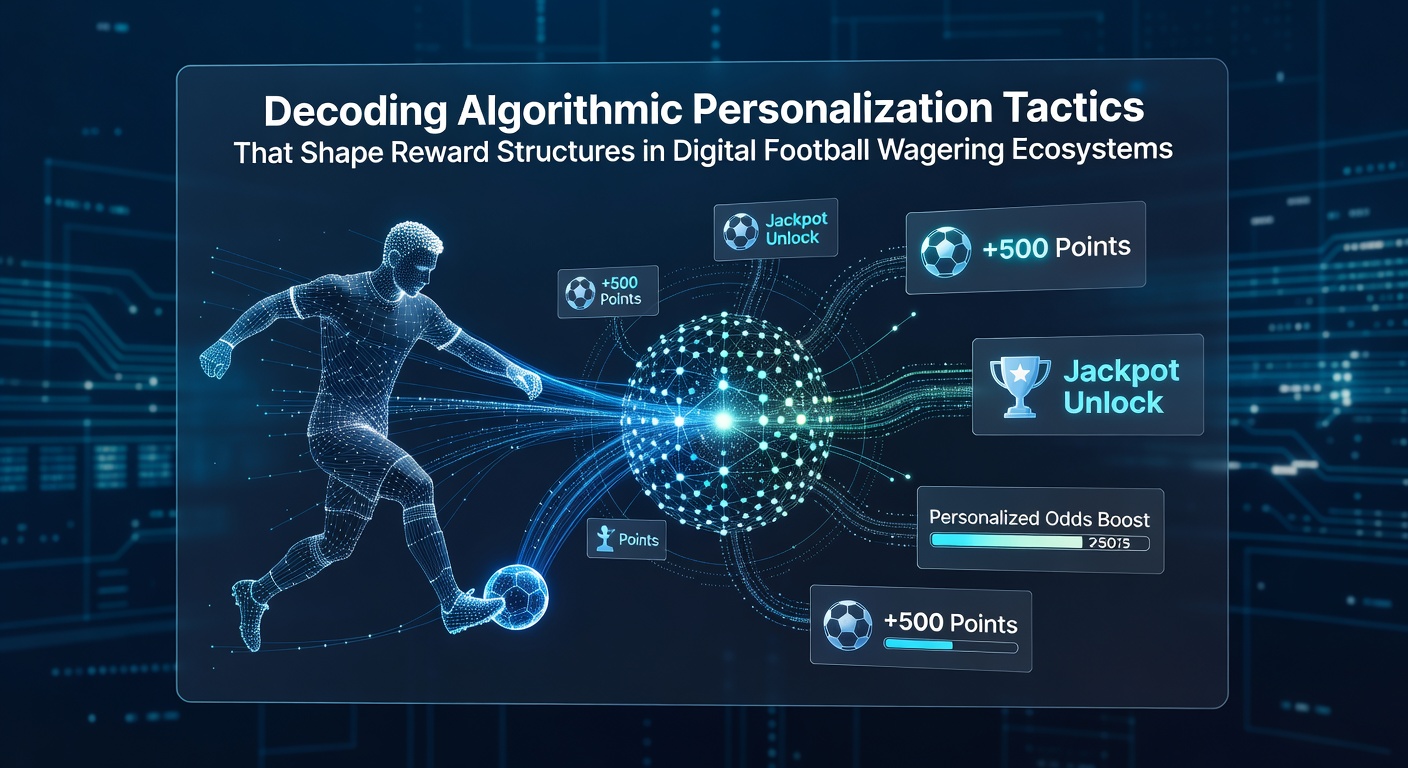
Digital football wagering platforms rely on complex algorithms that analyze user behavior to customize reward structures, and these systems draw from betting history, session duration, and demographic signals to adjust incentives in real time. Observers note that such personalization increases engagement metrics while operators refine models based on aggregated data from millions of interactions.
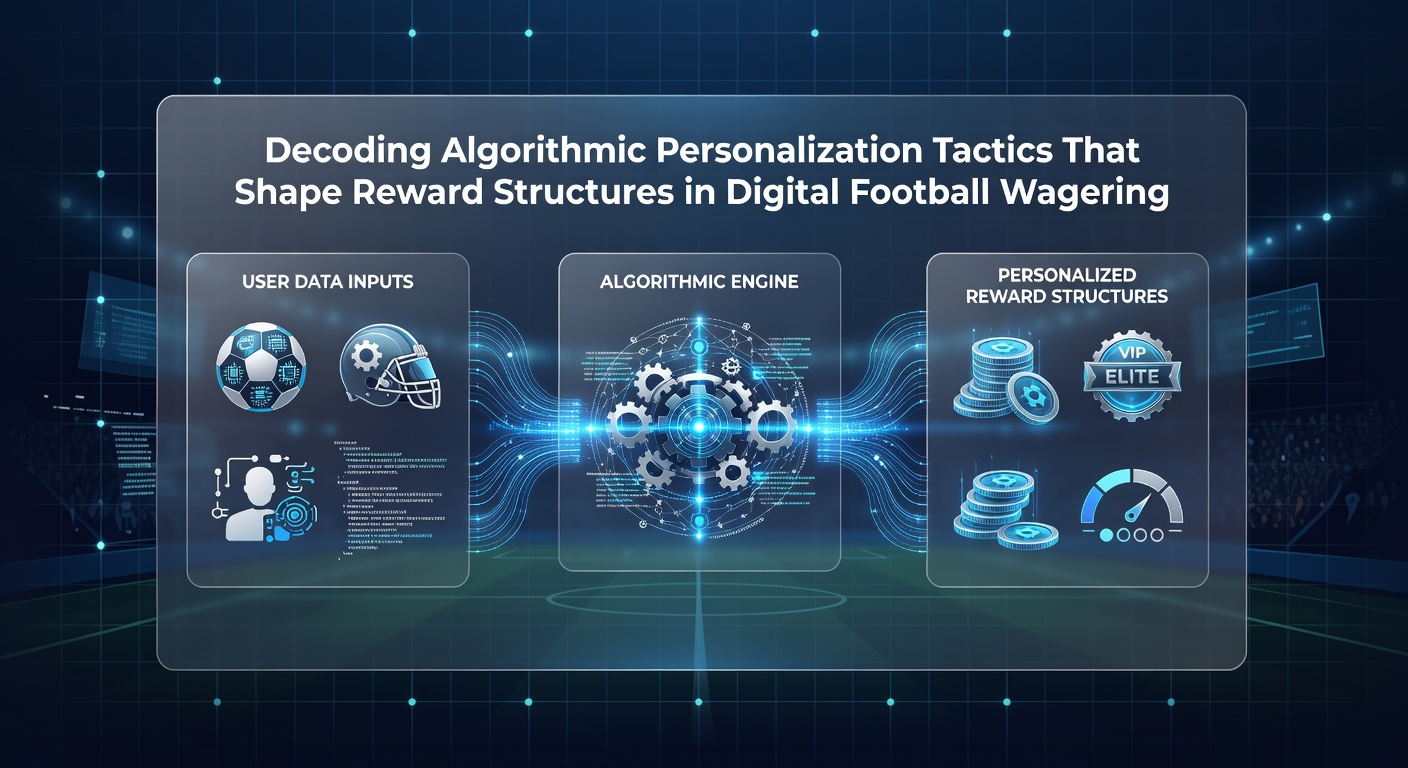
Researchers have tracked how these tactics segment users into categories like high-volume bettors or casual participants, then deliver tailored bonuses such as enhanced odds on specific matches or cashback percentages that vary by activity level. Data from industry reports shows retention rates climb when rewards align closely with individual patterns, whereas generic offers produce lower response.
Data Inputs Driving Customization
Platforms collect inputs ranging from clickstream details adn deposit frequency to time spent viewing live odds, and these elements feed machine learning models that predict optimal reward timing. Experts observe that a user who consistently bets on Premier League fixtures might receive priority access to accumulator bonuses, while another focused on lower leagues sees different promotions tied to match volume.
Geolocation data and device type further refine outputs, allowing operators to comply with regional rules while maximizing conversion. A 2024 analysis by the European Gaming and Betting Association indicated that personalized reward delivery improved average session length by up to 18 percent across monitored operators.
Mechanics of Reward Adjustment
Once models process inputs, they trigger dynamic adjustments to loyalty tiers, free bet amounts, and loss rebates, and these changes occur without manual intervention. Algorithms prioritize users who show signs of churn by offering immediate incentives, whereas steady players receive staggered rewards designed to sustain long-term activity.
Simulation tests conducted by academic teams reveal that minor tweaks in reward frequency can shift betting volume by several percentage points, which explains why operators invest heavily in A/B testing frameworks. Those frameworks compare control groups against personalized cohorts to isolate which variables produce measurable lifts in deposit rates.
Regulatory Context and Emerging Standards
Regulators in multiple jurisdictions have begun examining these systems for fairness, and upcoming reviews scheduled for May 2026 in several European markets will assess transparency requirements around algorithmic decision-making. Australian authorities, through the Australian Communications and Media Authority, already mandate disclosures on how data influences promotional offers in licensed platforms.
Industry groups emphasize that self-regulatory codes now encourage operators to document personalization criteria, yet enforcement remains uneven across borders. Figures from the National Council on Problem Gambling in the United States show increased scrutiny on reward mechanisms that could encourage excessive play among vulnerable segments.
Technical Implementation Patterns
Most platforms deploy hybrid architectures combining rule-based thresholds with neural network predictions, and this combination allows rapid scaling during major tournaments such as the UEFA Champions League. Engineers integrate real-time feedback loops so that a reward issued mid-match can influence subsequent behavior within the same session.
Case examples from large operators demonstrate how clustering techniques group similar bettors, after which reward pools are allocated accordingly. One documented rollout in 2025 adjusted cashback rates dynamically based on recent loss streaks, resulting in higher reactivation numbers without increasing overall payout percentages.
Future Trajectories
Advances in federated learning promise to refine personalization while limiting centralized data storage, and developers expect broader adoption ahead of the 2026 regulatory checkpoints. Integration with wearable data or augmented reality interfaces could further expand input variables, though current standards limit such extensions.
Conclusion
Algorithmic personalization continues to define reward structures across digital football wagering, and ongoing research alongside regulatory updates will shape how these systems evolve. Stakeholders monitor performance indicators closely to balance commercial goals with compliance demands, ensuring the underlying tactics remain both effective and accountable.