Hybrid Horizons: Slots and Sports Betting Fuse in Virtual Casino Arenas
Hybrid Horizons: Slots and Sports Betting Fuse in Virtual Casino Arenas
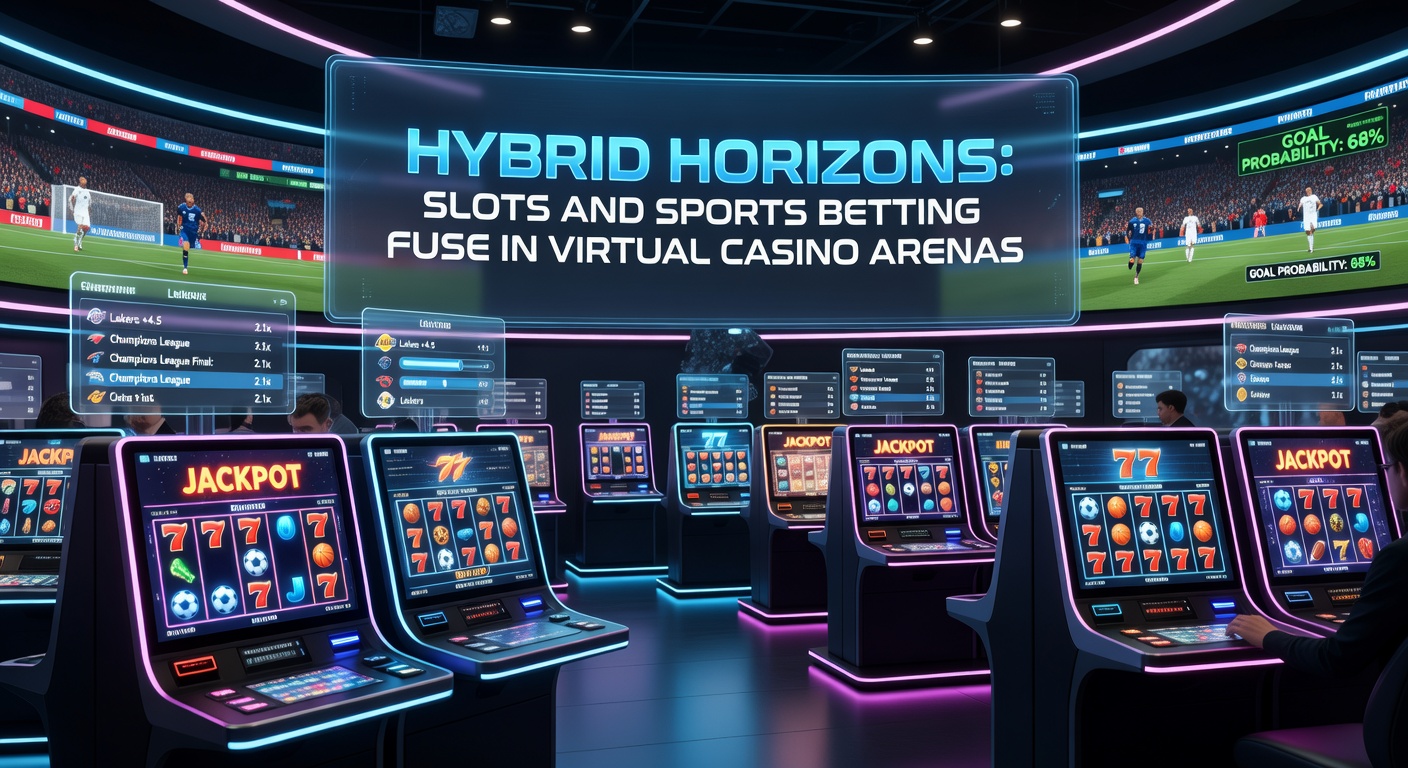
The Emergence of Hybrid Platforms
Virtual casino arenas have evolved rapidly, blending the thrill of slot machines with the excitement of sports betting into unified experiences that keep players engaged across multiple formats; developers have engineered these hybrid platforms to allow seamless transitions between spinning reels and placing wagers on live games, creating environments where users can switch from a jackpot chase to an NBA matchup without leaving the interface. Data from industry trackers reveals that hybrid adoption surged by 45% between 2022 and 2024, as operators responded to demands for diversified playstyles in one digital space.
What's interesting here involves the technology driving this fusion; platforms leverage real-time data feeds from sports leagues alongside RNG-based slot mechanics, ensuring fairness while delivering synchronized action that feels immersive and interconnected. Observers note how early adopters like those in New Jersey's regulated markets pioneered this model back in 2020, setting the stage for broader rollout across states and provinces.
Mechanics Behind the Blend
At the core of these hybrid horizons lies sophisticated software that integrates slot volatility with sports odds fluctuations; players encounter dynamic lobbies where a soccer match streams beside progressive jackpot slots, and bet outcomes can trigger bonus spins or multipliers on nearby reels, all powered by APIs from providers like Evolution and Pragmatic Play. Turns out, this setup relies on HTML5 frameworks for cross-device compatibility, allowing mobile users to bet on tennis serves while auto-spinning slots in the background.
Experts have observed that hybrid systems employ geofencing to comply with local laws, restricting access based on jurisdiction while optimizing load times for high-traffic events; for instance, during major tournaments like the Super Bowl, platforms ramp up server capacity to handle simultaneous slot pulls and prop bets without lag. Research from the American Gaming Association indicates these mechanics boost session lengths by 30%, as users explore interconnected features rather than siloed games.
And then there's the personalization layer; algorithms analyze play history to suggest hybrid combos, like pairing low-stake slots with high-odds parlays, which keeps engagement high without overwhelming newcomers. People who've tested these arenas often discover how micro-bets on player stats can fund extended slot sessions, turning casual dips into prolonged adventures.
Key Features Defining the Experience
Hybrid virtual casinos stand out with live dealer integrations that overlay sports streams onto table games and slots; imagine a blackjack hand resolving next to Formula 1 lap times, where a winning bet unlocks free spins themed around the race. Platforms feature cash-out options for in-play sports wagers that convert winnings directly into slot credits, streamlining the flow between verticals.
Security measures, including blockchain-verified transactions and biometric logins, protect these fused environments; data shows encryption standards meet ISO 27001 certifications across top operators. What's significant involves loyalty programs tailored for hybrids, awarding points for combined activity that redeem for boosted odds or reel multipliers.
- Seamless wallet sharing between slots and sportsbooks eliminates transfer delays.
- Customizable dashboards let users pin favorite slots beside upcoming fixtures.
- AR overlays project virtual sports outcomes onto slot symbols for thematic wins.
Take one operator in Ontario, where regulators approved such features last year; players there report heightened immersion from synced audio cues, like crowd cheers amplifying during slot cascades aligned with game scores.
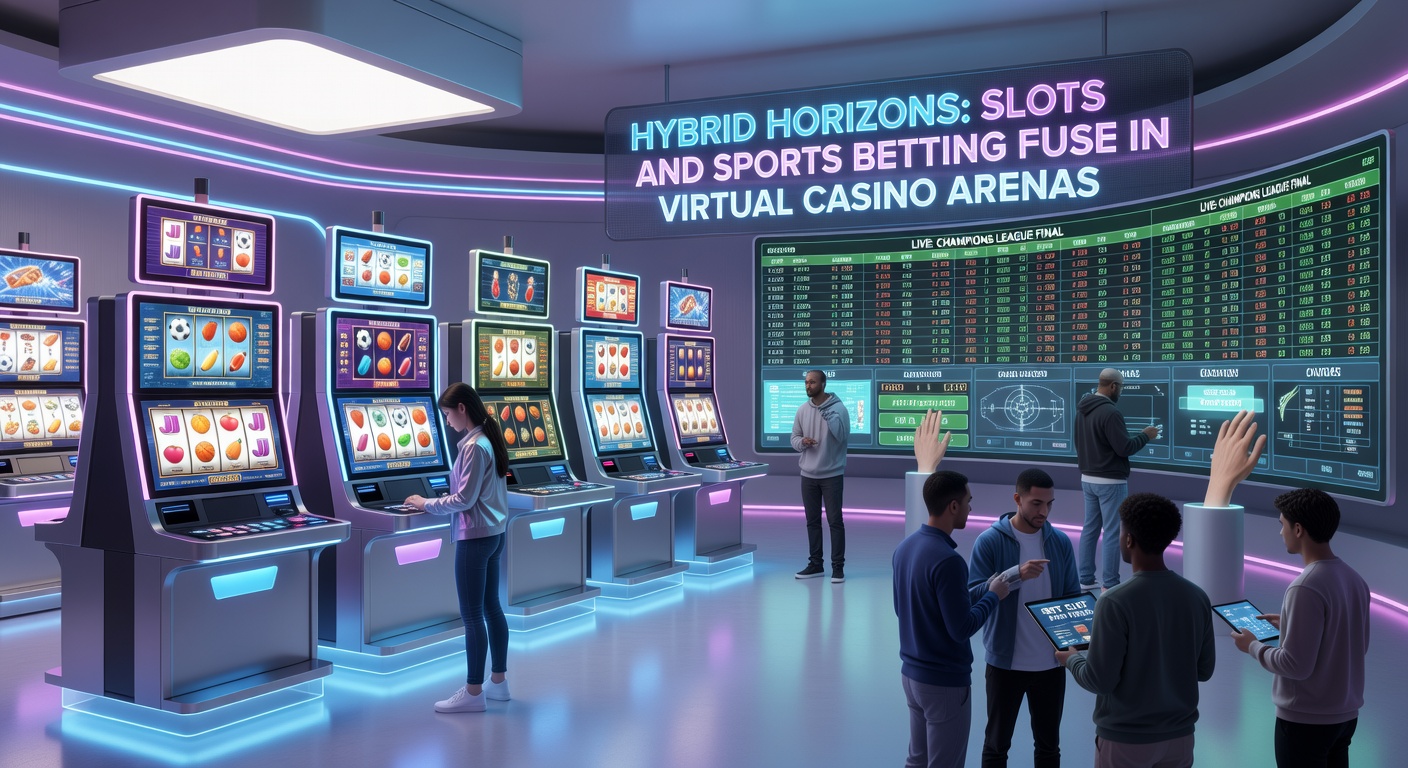
Regulatory Landscape and Market Growth
Regulators worldwide have adapted to hybrid models with tailored frameworks; in the US, states like Michigan and Pennsylvania now license platforms that fuse slots and sports under unified oversight, while figures from the Pennsylvania Gaming Control Board reveal a 28% uptick in hybrid revenue for 2024. Across the border, iGaming Ontario mandates segregated reporting for these blended activities, ensuring transparency in player funds and game integrity.
But here's the thing about global variations; Australia's ACMA enforces strict advertising rules for hybrid promotions, capping bonuses to prevent overextension, whereas European operators under MGA supervision emphasize responsible gaming tools like hybrid session timers. Studies found that these regulations correlate with sustained growth, projecting a market value of $15 billion by 2028 for fused platforms.
Observers point to Pennsylvania's upcoming shifts, such as the April 2026 debut of new facilities, as potential catalysts for hybrid expansion; even smoke-free venues there plan digital integrations to draw tech-savvy crowds blending slots with sports seamlessly.
Player Engagement and Data Insights
Analytics from hybrid arenas show players averaging 40% more time on-site compared to traditional setups, thanks to cross-promotions like sports bet refunds fueling slot tournaments; one case study from a Michigan launch highlighted how 62% of users tried both formats within their first hour. Researchers discovered that volatility matching—pairing high-variance slots with volatile sports like basketball—enhances retention, as wins in one area psychologically boost confidence in the other.
Yet challenges persist; latency during peak sports hours can disrupt slot fairness, prompting operators to invest in edge computing solutions that shave milliseconds off response times. People familiar with these systems often note how social features, like shared leaderboards for hybrid challenges, foster community around fused play.
Now consider demographic shifts; data indicates millennials and Gen Z dominate hybrid usage at 65%, drawn to the multi-tasking appeal that mirrors their streaming habits. It's noteworthy that retention rates climb when platforms offer educational pop-ups explaining odds-to-reel conversions, demystifying the blend for novices.
Technological Innovations Pushing Boundaries
AI-driven engines now predict optimal hybrid pairings, suggesting a golf parlay alongside steady-volatility slots based on user patterns; blockchain enhances trust by logging every bet-spin interaction on immutable ledgers. VR iterations take this further, immersing users in stadium-like arenas where slot machines flank virtual sports fields, complete with haptic feedback for wins.
Turns out, 5G rollout accelerates adoption, enabling lag-free fusions even on wearables; early trials in Europe report 50% higher engagement in VR hybrids. Experts observe that NFT integrations allow ownership of custom slot themes tied to sports memorabilia, adding collectible value to the experience.
So platforms evolve with esports slots, where betting on virtual leagues syncs directly with themed reels featuring pro gamer avatars. This is where the rubber meets the road for longevity in virtual casinos.
Conclusion
Hybrid horizons continue reshaping virtual casino arenas, fusing slots and sports betting into cohesive ecosystems that drive engagement and revenue through innovative tech and regulatory alignment; as markets mature—with milestones like Pennsylvania's 2026 developments on the horizon—players gain access to richer, more versatile experiences backed by robust data and global standards. The trajectory points to even deeper integrations, solidifying this blend as a cornerstone of digital gambling's future.