Geofencing's Influence on Participation Rates in Legally Operating Virtual Casinos
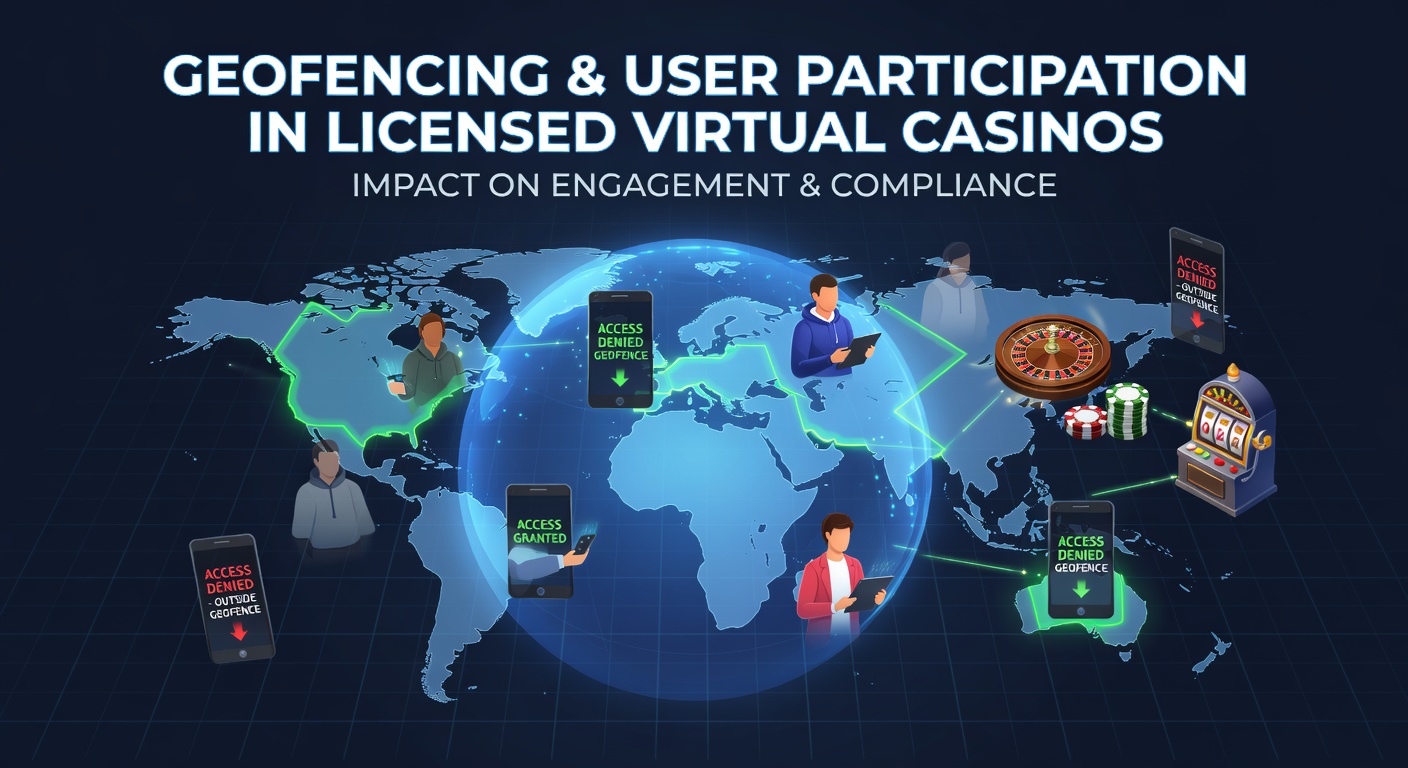
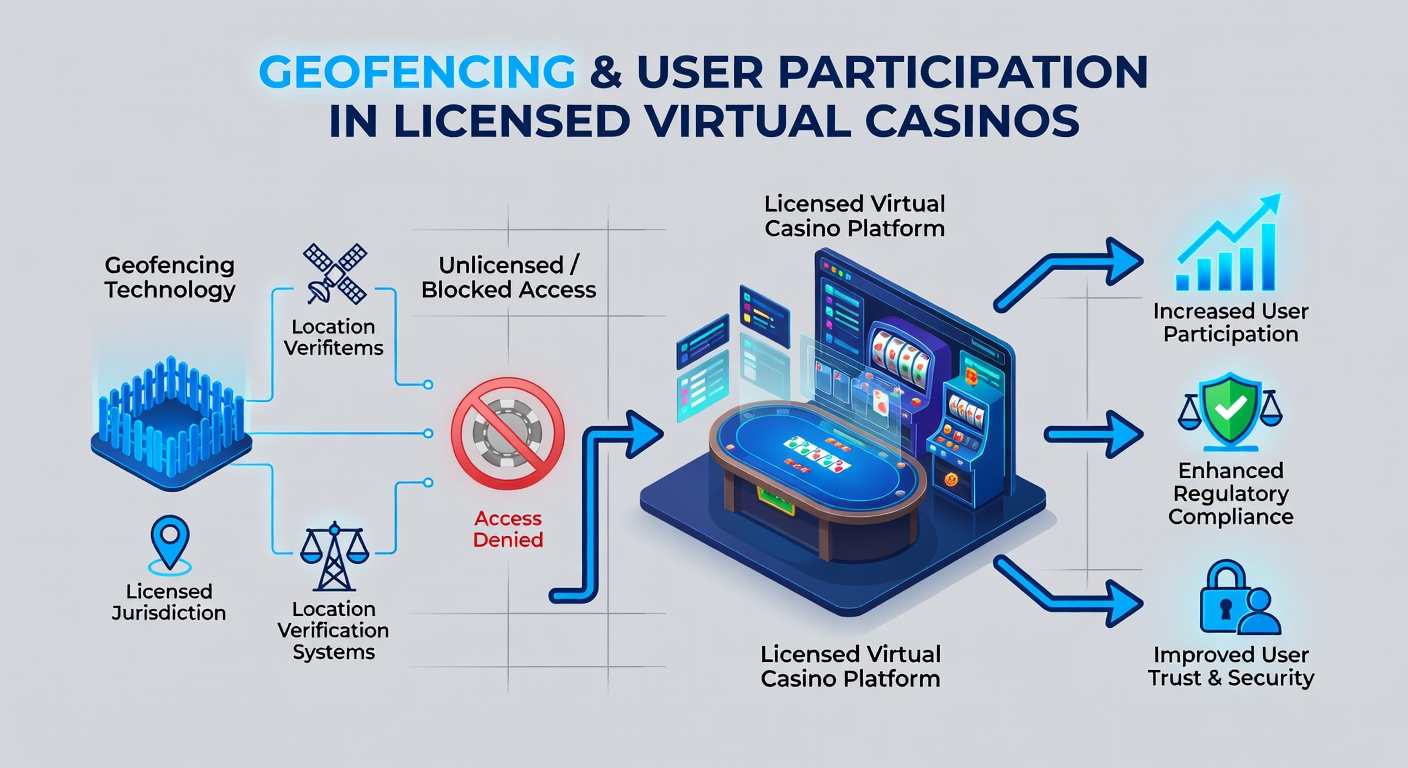
Geofencing technology creates virtual perimeters using GPS, Wi-Fi, and cellular data to determine user locations in real time, and operators apply these tools to restrict access to licensed virtual casino platforms strictly within approved geographic zones. This approach ensures compliance with varying state and national laws while shaping how users interact with online gambling services, since participation becomes possible only when devices confirm they sit inside designated boundaries.
Core Mechanics Behind Geofencing in Regulated Environments
Systems rely on multiple data points to verify location accuracy, and they trigger immediate blocks or allowances based on whether a player falls within a permitted area, while continuous monitoring prevents circumvention through VPNs or spoofing attempts. Data from regulatory filings shows these checks occur at login, during deposits, and at random intervals throughout sessions, which maintains ongoing adherence to licensing terms set by authorities across different regions.
Operators integrate application programming interfaces from mapping services to define precise polygons around state lines or municipal districts, and this precision allows for granular control that matches the patchwork of gambling regulations found in places like the United States and parts of Canada. When a device exits the zone, sessions pause automatically, which protects both the operator and the player from unintentional violations.
Effects on User Participation Patterns
Participation tends to rise in jurisdictions where geofencing confirms legal access, because users gain confidence that platforms operate under proper oversight and that winnings receive full regulatory protection, whereas areas outside boundaries see zero engagement from licensed operators. Research indicates repeat logins increase when players know their location data aligns with active licenses, leading to higher session durations and deposit volumes in compliant zones.
Studies conducted by academic teams at universities in North America have tracked how these location gates affect overall activity, and figures reveal that states with mature geofencing frameworks experience steadier growth in registered accounts compared to regions still developing their enforcement tools. Players adapt by planning sessions around confirmed locations, such as staying within state borders during travel, which introduces new behavioral rhythms to virtual casino use.
Regulatory Developments and May 2026 Timelines
Several jurisdictions plan expanded licensing rounds that incorporate stricter geofencing mandates, and these updates take effect around May 2026 in select Canadian provinces where iGaming frameworks continue to mature. The Alcohol and Gaming Commission of Ontario has outlined requirements for enhanced location verification that operators must implement before that date, which will further standardize how participation occurs within those markets.
Industry reports from the American Gaming Association highlight how such synchronized rollouts across borders help stabilize user bases by reducing confusion over legal play areas, and this coordination supports consistent participation growth where rules remain clear. Operators prepare by updating their mapping databases and testing failover systems to handle edge cases like border towns or large venues near jurisdictional lines.
Comparative Approaches Across Markets
European markets outside the United Kingdom have adopted geofencing standards through bodies such as the Malta Gaming Authority, which requires operators to maintain audit logs of location checks for every active account. These records demonstrate compliance during inspections and correlate with sustained participation levels because users trust the enforced boundaries prevent unauthorized play.
Australian states apply similar location technologies under oversight from the Victorian Commission for Gambling and Liquor Regulation, and data there shows participation concentrates in metropolitan zones where signal reliability stays high. Rural areas sometimes experience intermittent blocks due to weaker connectivity, which prompts operators to offer offline verification options at approved retail partners to maintain engagement.
Technical Challenges and Solutions
Signal interference from tall buildings or remote terrain can create false negatives that interrupt play, yet developers counter this with hybrid verification that combines GPS with Wi-Fi triangulation and IP address analysis. When discrepancies arise, systems default to the most restrictive outcome until the player re-establishes a confirmed position inside the licensed area.
Security teams monitor for emerging spoofing methods and deploy machine learning models trained on historical location data to flag suspicious patterns, and these proactive measures help preserve the integrity of participation metrics reported to regulators. Regular software updates ensure compatibility with new device operating systems that might otherwise bypass older detection layers.
Conclusion
Geofencing continues to define the boundaries of legal participation in licensed virtual casino operations by linking access directly to verified locations, and its ongoing refinement supports regulatory compliance while influencing how users schedule and sustain their activity. As implementations advance toward May 2026 in multiple regions, operators and regulators refine these systems to balance security needs with seamless user experiences across expanding digital markets.