Encryption Layers and Their Influence on Transaction Routes in Hybrid Blackjack-Sports Betting Environments
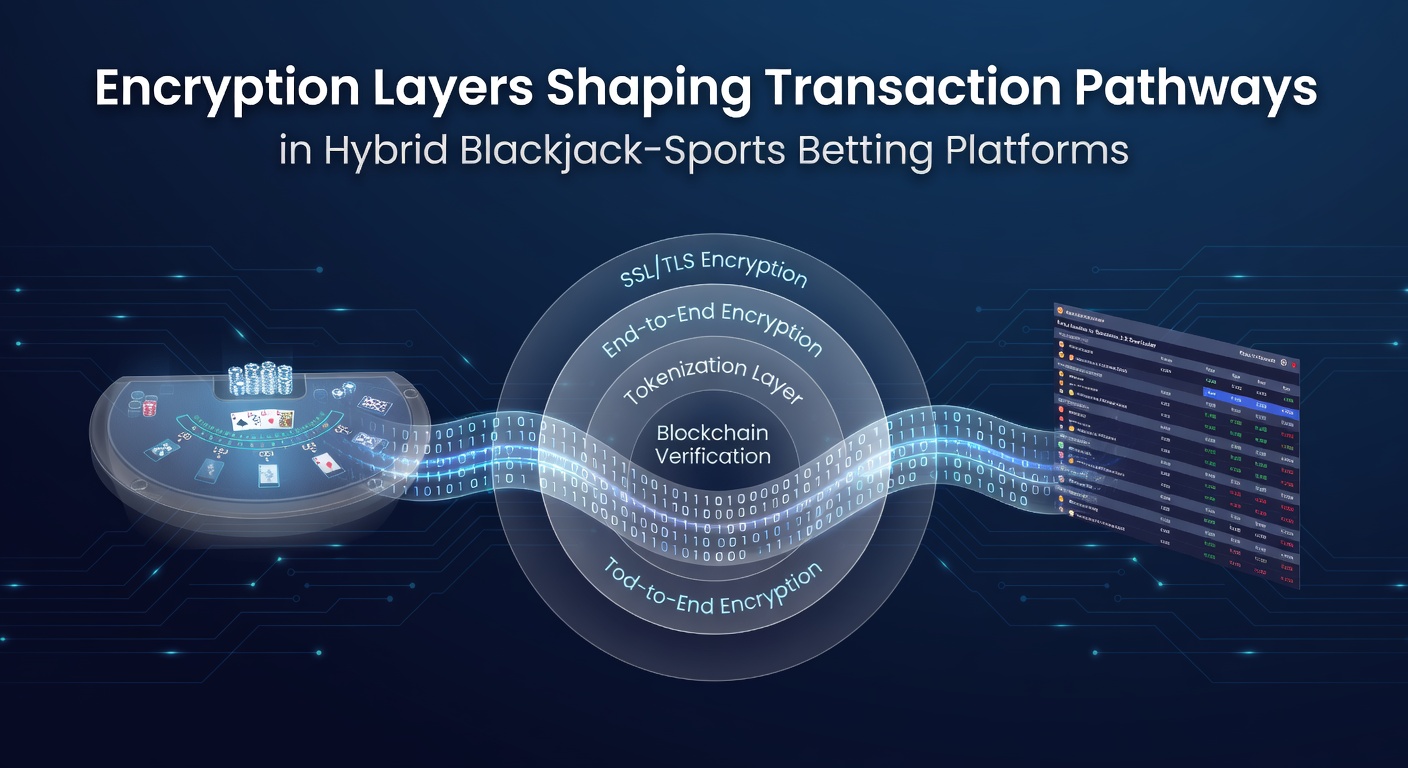
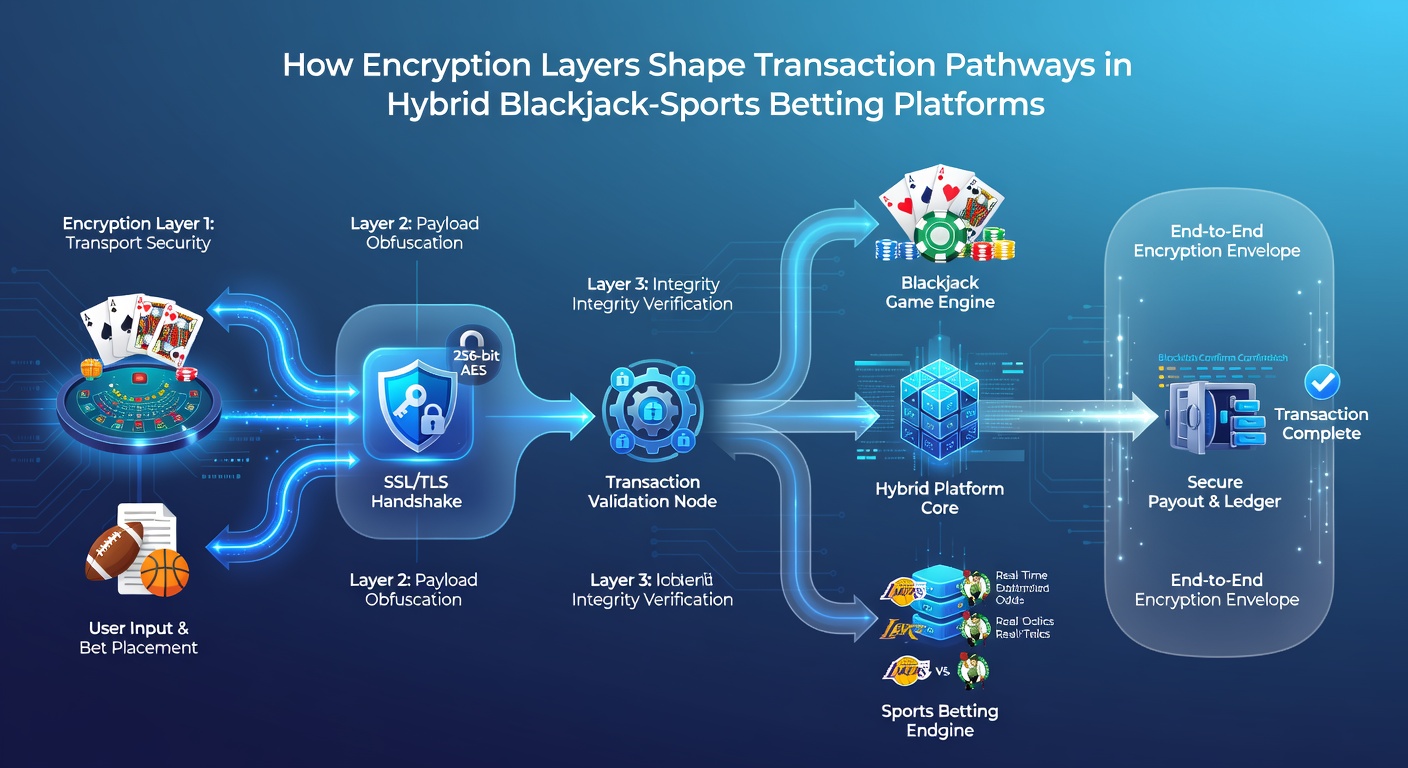
Hybrid platforms that combine blackjack tables with sports betting markets rely on multiple encryption layers to direct funds from user accounts through game engines and settlement systems, and observers note that these protocols determine both the speed and compliance status of each transaction. Research from cybersecurity firms indicates that transport layer security protocols such as TLS 1.3 establish the first barrier, encrypting data packets as they leave a player's device and travel across public networks toward centralized servers.
Application-level encryption then takes over once packets reach the platform infrastructure, where AES-256 algorithms scramble bet amounts, card outcomes, and payout instructions before they enter processing queues. Those who've examined code repositories from major operators report that this second layer prevents internal staff from viewing raw financial details during routine maintenance windows.
Pathway Architecture in Combined Gaming Systems
Transaction pathways in these environments branch depending on whether a user places a blackjack hand or a sports wager, yet both routes converge at a shared wallet module that reconciles balances in real time. Data from platform audits shows that encryption keys rotate every few minutes during peak hours, forcing each subsequent transaction to re-authenticate against fresh credentials and thereby reducing the window for interception attempts.
Regulatory bodies such as the New Jersey Division of Gaming Enforcement require operators to log every key exchange, creating an immutable trail that links individual bets to their originating payment methods. This documentation process adds a verification step after the encryption layers complete their work, ensuring that funds moving between blackjack tables and live betting markets maintain clear provenance records.
Impact of Layered Protocols on Settlement Timing
Multi-layer encryption influences settlement timing because each decryption checkpoint introduces measurable latency, although hardware acceleration modules now keep total processing under 200 milliseconds for most transactions. Studies conducted by university research teams in Australia found that platforms using end-to-end encryption across all layers experienced a 12 percent increase in average withdrawal completion times compared with single-layer systems, while fraud rates dropped by nearly half during the same observation period.
Hybrid environments face additional complexity when a player switches from a blackjack session to a sports market mid-balance, since the system must re-encrypt the updated ledger entry and route it through separate risk engines before confirming the new bet. Observers note that this re-encryption sequence occurs seamlessly for users yet requires dedicated server clusters to handle concurrent sessions without backlog formation.
Regulatory Developments Expected in May 2026
Standards bodies have scheduled updates to encryption requirements that take effect in May 2026, mandating quantum-resistant algorithms for all new operator licenses in several North American jurisdictions. Those monitoring legislative calendars report that these changes will force existing hybrid platforms to retrofit their transaction pathways with post-quantum cryptography modules, adding a fourth encryption layer above the current transport, application, and database tiers.
Industry associations such as the European Gaming and Betting Association have published preliminary guidance documents outlining migration timelines, and figures from their technical committees suggest that operators completing the upgrade before the deadline will avoid service interruptions during the transition window. The new protocols aim to protect transaction metadata that currently travels partially exposed between internal microservices.
Case Examples from Operating Platforms
One large European operator integrated a homomorphic encryption layer into its hybrid system last year, allowing risk calculations to run directly on encrypted bet data without exposing amounts to intermediate processors. Reports from that implementation show that transaction pathways shortened by one hop because fewer decryption events were required before settlement authorization.
Another platform serving Canadian markets adopted tokenization alongside traditional encryption, replacing actual account numbers with single-use tokens that expire after each session. Research indicates this approach reduced the attack surface along the pathway from deposit to withdrawal while preserving the ability to reconcile blackjack wins against sports betting losses within the same user profile.
Conclusion
Encryption layers continue to define how funds travel through hybrid blackjack and sports betting platforms, shaping both operational efficiency and regulatory compliance. As requirements evolve in 2026 and beyond, operators must balance the added computational load of new protocols against the security gains they deliver across every transaction route.