Data Streams Driving Instant Odds Shifts in Sports Wagering Markets
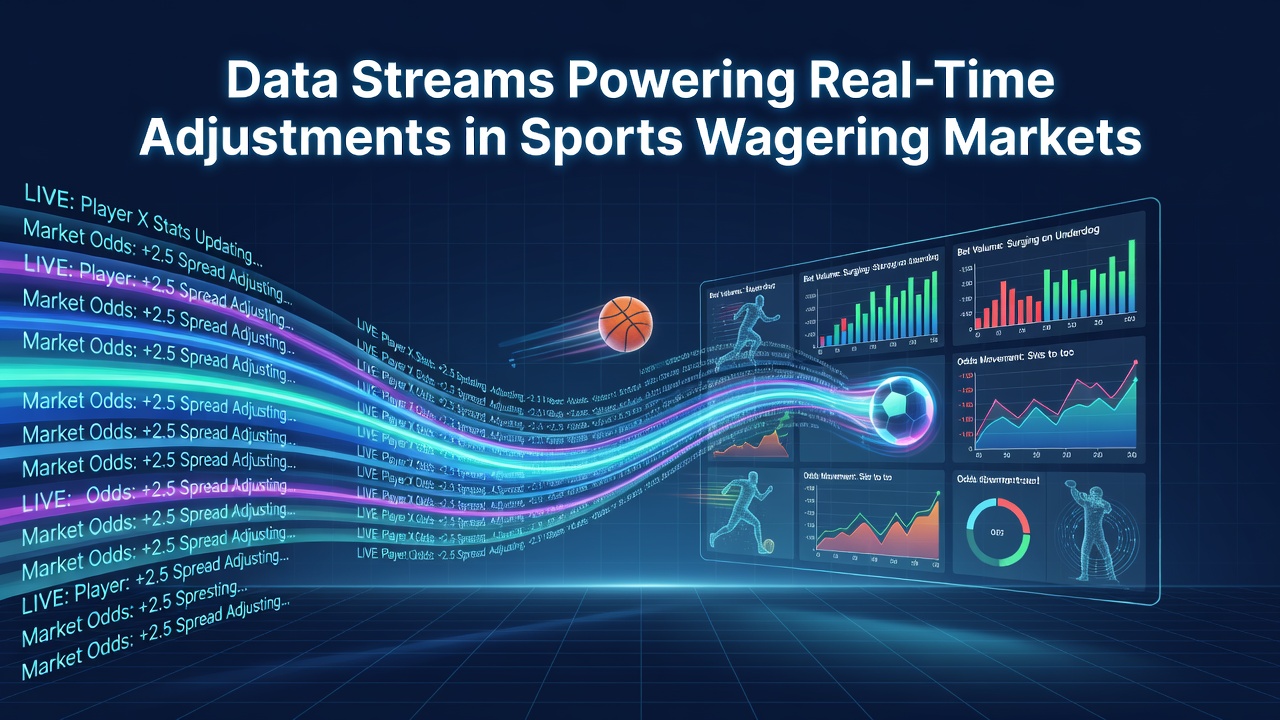
Live sports wagering depends on continuous flows of information that reach betting platforms within seconds of events unfolding on the field or court. These data streams come from multiple origins including official league feeds, sensor data embedded in equipment, weather monitoring services, and aggregated betting activity across global operators. As of July 2026 platforms integrate these inputs through application programming interfaces that trigger automated recalculations of odds while matches remain in progress.
Core Components of Real-Time Data Pipelines
Operators receive structured data packets from leagues such as the National Basketball Association and European football federations that detail player substitutions, injury updates, and possession statistics. Parallel streams arrive from third-party tracking companies that monitor ball trajectory and athlete movement at rates exceeding one hundred times per second. When combined with external variables such as wind speed changes reported by meteorological services, these inputs allow models to revise implied probabilities attached to specific outcomes.
Volume data from the betting exchange itself forms another critical layer. Sudden spikes in wagers placed on one side of a market prompt algorithms to widen or narrow spreads so that liability remains balanced. Industry reports from the American Gaming Association indicate that operators processing more than fifty thousand live bets per hour rely on these internal signals to maintain market stability during high-stakes contests.
Adjustment Mechanisms in Practice
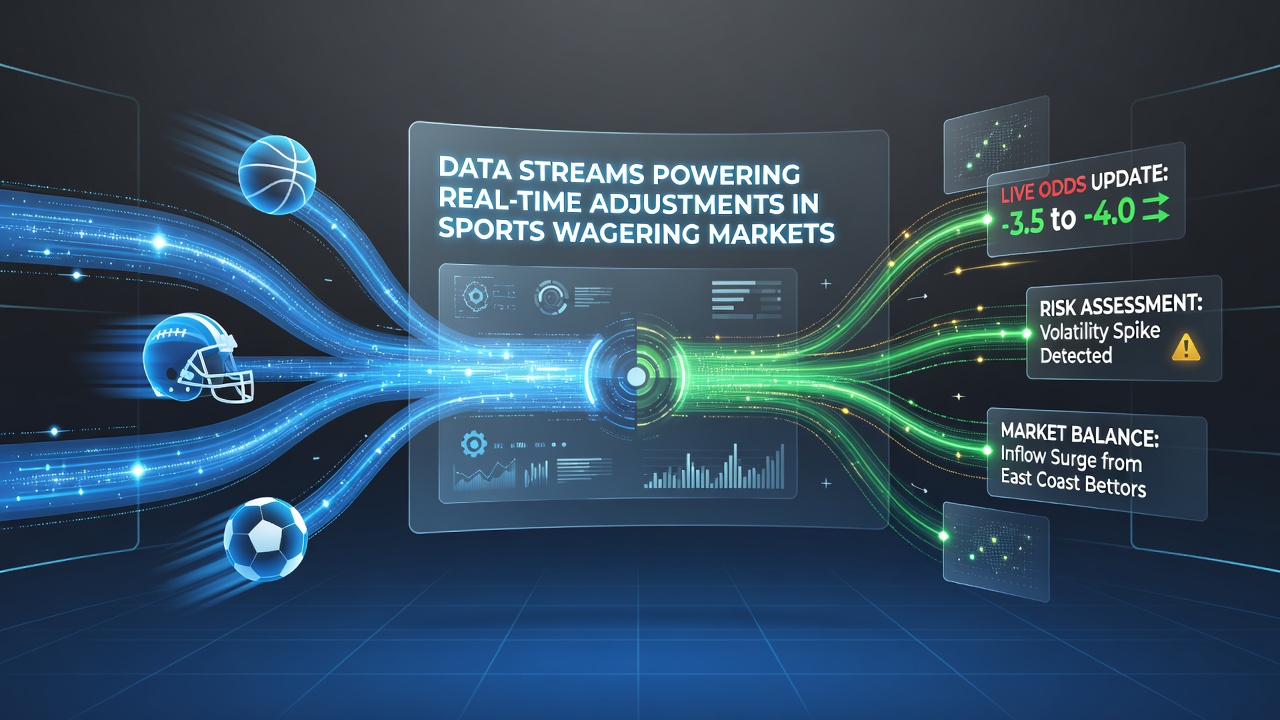
Once incoming packets reach the central risk engine, machine-learning models compare observed values against historical baselines stored in distributed databases. A deviation exceeding a predetermined threshold initiates an odds revision that propagates to all connected front-end applications within two hundred milliseconds. Bettors viewing live markets therefore encounter updated decimal or fractional prices that reflect the latest information without manual intervention from traders.
Take one major European operator that expanded its NBA coverage in early 2026. The firm connected additional court-side optical tracking feeds to its existing system, resulting in more frequent micro-adjustments during fast-paced quarters. Observers noted that point-spread movements occurred up to three times more often than in the previous season when fewer data sources were active.
Regulatory and Technical Considerations Across Regions
Jurisdictions maintain distinct requirements for latency, transparency, and audit trails. In several Australian states, regulators require operators to log every odds change with timestamps accurate to the millisecond and retain those records for at least five years. Canadian provincial frameworks similarly emphasize the separation of data sources so that no single feed dominates pricing decisions. Research published by academic teams at institutions in both regions has examined how these rules influence the speed and magnitude of live-market movements.
Technical infrastructure must also accommodate peak loads during championship events. Cloud-based architectures scale horizontally to handle concurrent streams from multiple sports, while edge computing nodes positioned near major venues reduce transmission delays. Redundant connections ensure that loss of one data provider does not halt adjustments entirely.
Future Integration Patterns Emerging in Mid-2026
Additional sensors embedded in athlete apparel and stadium infrastructure continue to expand the range of measurable variables. Early deployments in select soccer leagues transmit heart-rate adn acceleration metrics directly into betting risk systems, although access remains restricted to authorized partners. At the same time, natural-language processing tools scan verified news wires and official social channels to detect announcements that may affect team lineups minutes before kickoff.
These developments coincide with broader adoption of standardized data formats promoted by international sports bodies, which simplifies integration for operators serving multiple continents. As July 2026 progressed, several major platforms announced partnerships aimed at incorporating satellite-derived crowd-density estimates from stadium exteriors to refine models of home-field advantage during live play.
Conclusion
Data streams from leagues, sensors, weather services, and betting activity converge to support continuous recalibration of odds in sports wagering markets. Regulatory frameworks in various regions establish logging and transparency standards that shape how these adjustments occur, while technical advances in cloud scaling and edge processing keep latency low. The patterns observed through mid-2026 suggest further expansion of measurable inputs and tighter integration across global platforms.