Biometric Verification Enhances Security in Live Football Betting Sessions
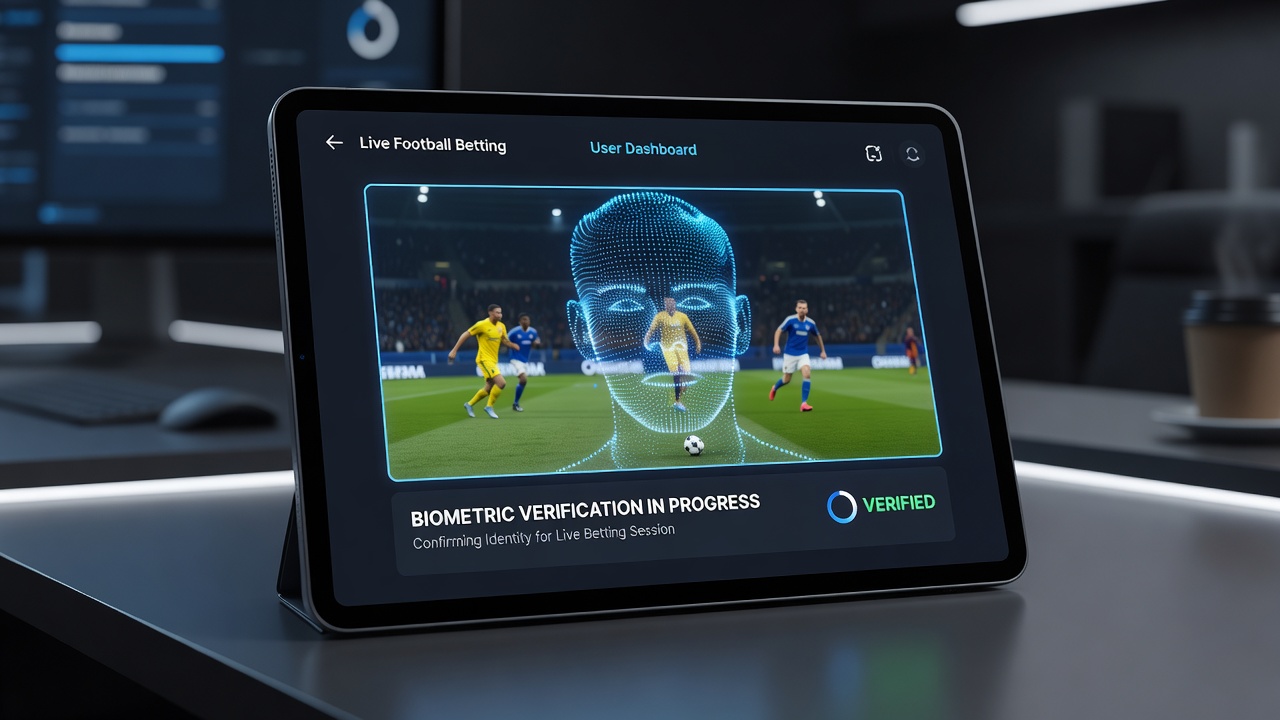
Biometric verification tools have begun appearing in digital sports wager platforms as a method to confirm user identity during live football betting sessions and similar activities, and platforms integrate fingerprint scanning, facial recognition, and voice authentication to meet regulatory requirements while processing real-time wagers. These systems capture unique physiological or behavioral traits, then compare them against stored data to authorize transactions or account access without interrupting the flow of in-play betting on matches.
Core Technologies Driving Implementation
Platforms deploy a combination of hardware and software components, including smartphone cameras for facial mapping, dedicated fingerprint sensors, and microphone arrays that analyze vocal patterns during user prompts. Data from these inputs travels through encrypted channels to centralized servers where algorithms calculate match scores against enrolled templates, and successful verification grants continued access to betting interfaces while failed attempts trigger additional security steps or session pauses.
Operators have rolled out these features across mobile applications and web-based platforms in multiple jurisdictions, and integration often occurs alongside existing know-your-customer protocols that already require document uploads at account creation. As of July 2026, several major operators report expanded use of biometric checks specifically during high-volume live betting periods when match odds update rapidly and users place frequent wagers.
Regulatory Context Across Regions
Government agencies in various markets now reference biometric options in updated guidelines for remote gambling operators, and authorities in parts of Europe and North America encourage or require identity confirmation methods that reduce reliance on static passwords alone. A report from the European Gaming and Betting Association outlines how biometric systems align with anti-money laundering directives that demand ongoing user verification throughout active sessions.
Canadian provincial regulators have examined similar frameworks, and industry analyses from the Canadian Gaming Association note that biometric adoption correlates with lower rates of account sharing in monitored markets. These developments reflect broader efforts to standardize identity assurance across digital channels where live sports events draw concentrated betting activity.
Operational Benefits Observed in Practice
Platforms that incorporate biometric checks report faster processing of identity confirmations compared with traditional methods that involve manual review of identification documents, and users experience fewer interruptions when confirming wagers during critical moments such as goal-line decisions or penalty shootouts. Automated systems also log verification timestamps alongside betting records, creating audit trails that support compliance reporting.
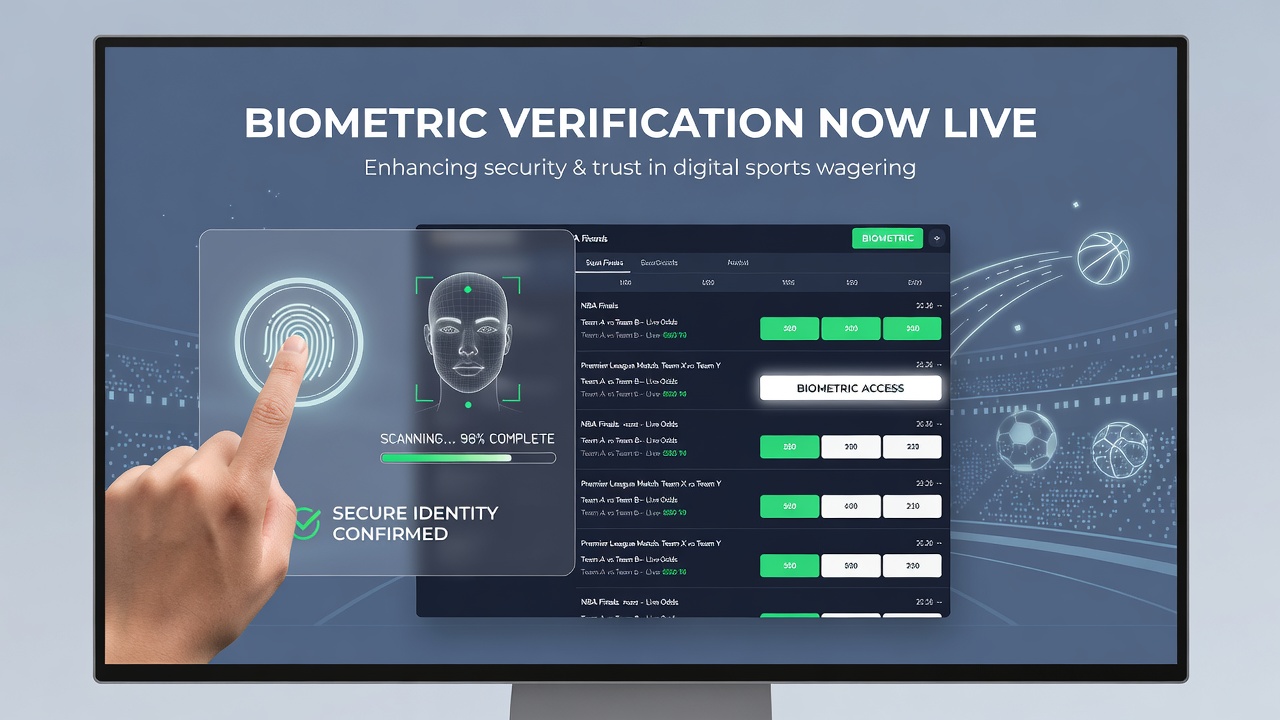
Research conducted by academic institutions on biometric performance in financial services indicates that facial recognition systems achieve verification accuracy above 98 percent under controlled lighting conditions typical of mobile device usage, and operators adapt these findings to sports betting environments where users often interact with apps in varied settings such as stadiums or public venues.
Technical and Privacy Considerations
Biometric data requires secure storage practices that differ from standard personal information, and platforms employ tokenization or encrypted templates that cannot be reversed into original images or recordings. Industry standards developed through collaborative working groups emphasize deletion policies once accounts close, and regulators review these procedures during licensing renewals.
Some jurisdictions mandate user consent mechanisms that allow individuals to opt into biometric methods or select alternative verification routes, and operators must document these choices within their data protection frameworks. Technical teams continue refining liveness detection algorithms to distinguish between genuine users and attempts to spoof systems with photographs or recordings.
Future Developments and Industry Trends
Technology providers now test multi-modal approaches that combine two or more biometric modalities within single verification flows, and early deployments show reduced false rejection rates during live betting windows. Partnerships between betting operators and specialized security firms have accelerated feature rollouts, and observers note that integration timelines have shortened since initial pilot programs concluded in 2024.
Global market data compiled by research firms projects continued expansion of biometric tools across sports wagering verticals through the remainder of the decade, and platform developers prioritize compatibility with emerging device sensors that capture additional biometric signals without requiring extra hardware purchases from users.
Conclusion
Biometric verification has established a measurable presence in digital sports wager platforms where live football betting occurs, and current implementations focus on identity confirmation that meets both regulatory and operational needs. Ongoing refinements in accuracy, privacy safeguards, and user experience continue to shape how these tools integrate into existing betting workflows across different regions.